

Organic Vineyard Management, part 2: Insect Control
This is part 2 in a series about organic vineyard management.
Part 2: Biointensive Control of Insect Pests
Insects are not all bad. Our main approach to insect management is to encourage a large and diverse population through regenerative farming methods (to be discussed further in part 3 about soil). Pollinators, for example, are critical for a healthy and balanced ecosystem. Earthworms enrich the soil. But sometimes, problematic insects arrive and we need to control them if we want a healthy grape crop.
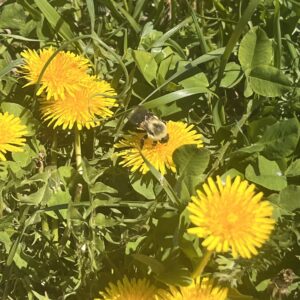
We encourage beneficial insects by growing flowering plants on the vineyard floor.
What are the problem insects in Finger Lakes vineyards?
The main insect pest we face at Silver Thread is Grape Berry Moth. During it’s larval state, it burrows into grape berries and eats the pulp. The hole it pierces in the grape allows rot and mildew to take hold. Grape Berry Moth is something we always need to be proactive about controlling if we want a healthy grape crop.
In some years, Japanese Beetles and Leafhoppers are a problem. Both of these insects feast on the leaves and can defoliate the vines if left unchecked. Most of the time, we tolerate insects like these. We only use treatments when we observe them at dangerous levels in the vineyard.
We are currently on high alert for Spotted Lanternfly, an invasive pest that can destroy the grape crop and even kill vines. It has yet to be observed in Finger Lakes vineyards, but isolated insects have been found in the region and we know it will be a problem soon.
What is a Bioinsecticide?
Like biofungicides, which were explained in part 1, bioinsecticides are an important new tool in agriculture. Bioinsecticides are made from naturally-occurring substances and work specifically to control particular insects in a targeted way. To us, it’s critical that we only reduce the population of problem insects, leaving the useful ones to help strengthen the vineyard ecosystem. Bioinsecticides are generally plant extracts, bacteria cultures or pheromones. Instead of widespread killing of all insects, they work by discouraging the target insects from eating the vine or by interfering with the problem insect’s reproductive cycle.

If grape berry moth gets out of hand, we must hand-sort rotten berries out during harvest.
What are some examples of Bioinsecticides?
Pyganic is a bioinsecticide made from pyrethrin, an extract of the chrysanthemum flower. It is naturally toxic to insects, but also is biodegradable and breaks down quickly in sunlight. When sprayed on the leaves of the grape vine, it deters problem insects like Japanese Beetles and Leafhoppers. Since we don’t have problems with these insects every year, we don’t need to use Pyganic very often.
DiPel is a bioinsecticide derived from a soil bacterium that selectively targets destructive caterpillars and worms on more than 200 crops. It’s active ingredient is Bacillus thuringiensis subspecies kurstaki, and is commonly referred to as Bt. When Grape Berry Moth ingest the Bt, it kills them. However, all other insects are unaffected by its presence. We use DiPel when the Grape Berry Moth is in its larval stage in the vineyard.
Are Bioinsecticides Organic?
These bioinsecticides, plus the others we use, are certified organic by OMRI (Organic Materials Review Institute) because they are made from naturally occurring substances. They have very low toxicity, so people can re-enter the vineyard shortly after they have been sprayed.
Using bioinsecticides requires us to be keenly aware of what is happening in our vineyard. We regularly “scout” for insects and other pests. We never apply broad spectrum materials that will kill off many species. Cracking the code of organic farming is a challenge, but we’re inspired by the quality and purity of fruit we’re growing using these methods.
